ALK Digital Marketing

What Does the Google Antitrust Case Mean for Digital Marketing?

What Does the Google Antitrust Case Mean for Digital Marketing?


When someone wants to search for something, they often say, “I’ll Google it.” But that could change someday.


In August, a judge ruled that Google and its parent company, Alphabet, illegally operated a monopoly to dominate the search engine market. Google is expected to appeal.


Like many digital marketing experts, I heavily rely on Google products. Nearly all of my clients use at least one Google account. For most of them, Google — whether through organic traffic or paid ads — accounts for a significant portion of referred revenue. Daily, I log into Gmail, search via Google, review Google Analytics, run Google Ads, and optimize Google Business Profiles. And that’s not even considering Chrome, YouTube, Google Workspace, and more.


Naturally, I’ve been wondering: What does the Google Antitrust Case Mean for Digital Marketing when experts and their clients are so dependent on Google? I’ll explore that question in this blog.

A Quick Summary of the Google Antitrust Case
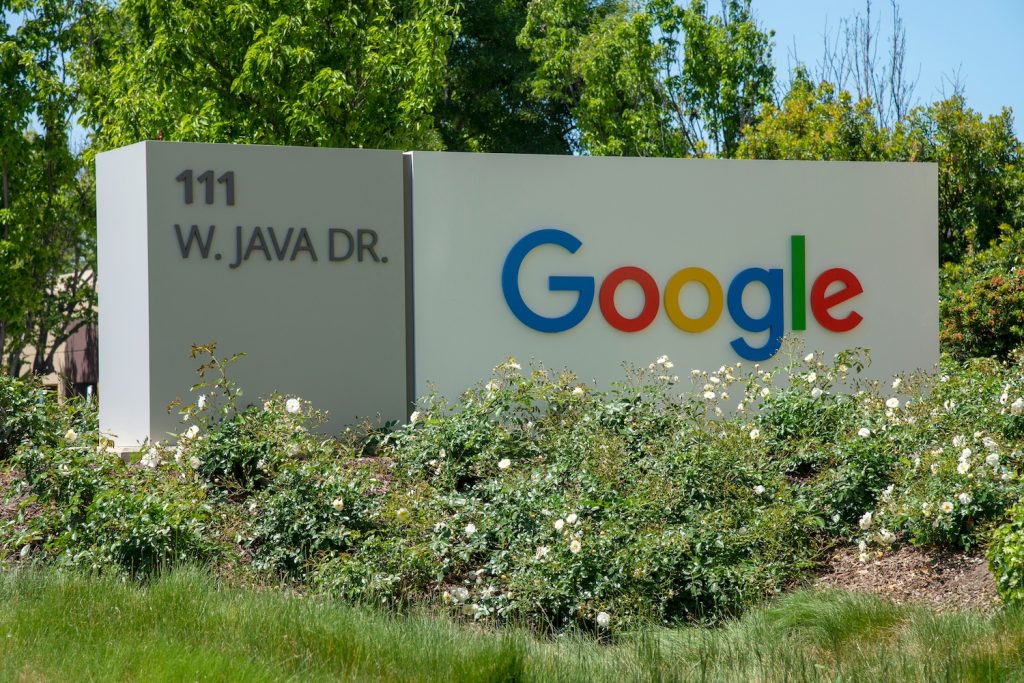
Google Sign

The landmark antitrust case against Google, filed by the U.S. government in 2020, alleged that the company maintained its dominance in the search market by creating strong barriers to entry and a feedback loop that sustained its monopoly, according to CNBC. 


Judge Amit Mehta ruled that Google violated antitrust laws by striking exclusive deals with device makers like Apple and Samsung. Google paid billions to ensure its search engine was the default on their phones and tablets. During the trial, it was revealed that Google paid companies, including Apple, over $26 billion in 2021 alone to remain the default search option in Safari. These deals allowed Google to build and maintain a monopoly while unfairly suppressing competition, according to Mehta’s ruling.


Some legal experts believe the court may require Google to end certain exclusive agreements.


What We Can Learn from the 1999 Microsoft Antitrust Case

Google’s case has drawn comparisons to the historic antitrust lawsuit against Microsoft in 1999.  According to the FTC, the U.S. Department of Justice accused Microsoft of using its monopoly power in the operating system and browser markets to stifle competition. By making it difficult to install competing software while bundling its Internet Explorer browser with Windows, Microsoft unlawfully maintained its dominance.


The DOJ initially sought to break Microsoft into separate companies, each focusing on different areas, like operating systems (Windows), software applications (Office), and internet services (MSN). However, Microsoft appealed, and in 2001, the case was settled. Microsoft agreed to stop tying products to Windows, share key software interfaces, and submit to years of government oversight.


The DOJ claims the Microsoft case paved the way for Apple — on the verge of bankruptcy at the time — to expand with its iTunes store and eventually launch its groundbreaking product, the iPod. The settlement also fostered an environment for innovation, crucial to Apple’s later success, including the development of iOS and macOS.


In fact, IBM’s 1969 antitrust case helped Microsoft emerge as a dominant player. Each tech antitrust case has ripple effects, often paving the way for startups to become industry leaders.


How Google’s Antitrust Case Could Impact the Digital Landscape

User works on laptop


Whether or not the court orders Google to end its exclusive search browser deals, other search engines that have long been on the sidelines may find new opportunities to innovate as Google faces increased scrutiny.


Yahoo, once the largest search engine, prides itself on a unique search experience. DuckDuckGo is known for its commitment to user privacy. Meanwhile, Bing stirred the industry by releasing one of the first widely used AI-powered search bots in February 2023.


There’s also room for growth in the AI search space. Google has introduced Gemini and AI overviews to compete with Microsoft Copilot (formerly Bing Chat), ChatGPT, and others. It’s a fast-moving competition with significant implications for how we find information in the future.


If other search engines or AI chatbots gain more prominence, it could lead to lower CPCs for search ads. However, it could also result in a more fragmented search landscape, making it harder for digital marketers to track and analyze data. With Google Analytics (GA4) and Google Search Console currently dominating traffic analytics, this could complicate the data.


How Digital Marketers Can Prepare
SEO Letters

When it comes to SEO and search advertising, stay agile. Continuously update your strategies to align with the latest search optimization guidelines, as the search landscape will continue to evolve — whether Google retains its dominance or not.

It may also be wise to create business listings across other platforms, similar to Google Business Profiles. Bing, for instance, uses Bing Places for Business, while DuckDuckGo sources business data from Apple Maps. If your budget allows, consider testing Bing or Yahoo search ads, especially if the market shifts. And don’t rule out the emergence of new advertising platforms.

Even if Google loses its search monopoly, many other search engines use similar algorithms. A well-optimized SEO strategy for Google should also perform well on other platforms. As AI continues to influence search, be ready for its potential impacts on the digital marketing landscape. 

Antitrust cases are meant to benefit businesses and consumers by fostering innovation and competition, as seen in both the Microsoft and IBM cases.


We can’t be certain of the outcome for Google, but change is undoubtedly coming to search. As digital marketers, we must stay prepared and embrace what comes next.

Search vs Performance Max Campaigns for Google Ads

Graphic Design: Search vs Performance Max Campaigns

When I first began managing Google Ads campaigns for clients, it was pretty straightforward. I would perform keyword research, write effective search ads, consider targeting and display expansion and then move onto optimization. 

However, Google Ads has evolved dramatically in recent years, leading users and managers to reconsider the balance between manual control and algorithmic management. 

One of the most significant shifts is evident when comparing traditional search ads to the innovative AI-driven Performance Max campaigns. 

While Google Ads reports that accounts with Performance Max campaigns boast an average 13% increase in total incremental conversions, the question remains: are they always the best choice? 

In this article, we’ll delve into the distinctions between Google Ads Search vs Performance Max campaigns and provide insights into when to leverage each. 

A Brief History

Google’s roots lie in search, with users typing keywords like “Plumber Services” and Google presenting relevant results on its Search Engine Results Pages (SERP), known as organic listings. 


However, achieving visibility in organic listings was time-consuming, leading to the inception of Search Engine Marketing (SEM) in 2000, a cornerstone of Google Ads (then AdWords). 


Search Ads empowered businesses to secure better search result visibility through sponsored listings. Then Google gamified the ad-building process, assessing everything from keyword relevance to landing page quality to ensure a positive user experience.


Understanding Search Ads

Search Ads Example

Search ads are primarily text-based and target users searching for relevant keywords. They comprise headlines, descriptions, and various extensions (such as phone numbers or website links). 


Goals for search ads range from driving website traffic to increasing sales, with targeting options including keywords, geolocation, and audience lists. Google has advanced search ads over time, introducing features like algorithmic image generation and Responsive Search Ads.


And while Google’s Display Ads also offered advertising on the Google Display Network with graphic design or video ads, there wasn’t yet any campaign type that could do it all. 


Introducing Performance Max


Launched in 2021, Performance Max campaigns represent the evolution of Google Ads, offering a comprehensive approach across multiple platforms. 


They had all of the same assets that Search Ads had, plus new videos (including new template videos), logos, and various dimensions of images. Instead of needing a graphic designer to put together a display ad, the algorithm would simply combine all the assets provided into a preset design structure made for various placement options.


Placement options extended beyond traditional SERP or display network placements, encompassing all of Google’s diverse network, including Search, Gmail, YouTube, Google Search Partners, and Google Maps.


Similar to Search campaigns, Performance Max campaigns offer robust targeting options, encompassing keywords, geolocation and audience lists. But Performance Max campaigns also leveraged powerful, algorithm-driven audience signals to enhance targeting precision.


Case Studies

In late 2023 I began working with a regional travel industry client that had been running smart campaigns (simplistic, fully-automated campaigns) for about a year. As with many companies running only simple campaign structures, their returns were barely positive.

When I learned that they had an untapped budget to make use of on Google Ads, I recommended a multi-stage shift to Performance Max campaigns. From Q3 2023 to Q1 2024, the account has seen 4 times revenue increases and 6 times the return on ad spend with the addition of Performance Max.

Performance Max performed well because the account had previously established clean revenue and conversion reporting and quality media to work with. 

On the other hand, I once inherited an account with Performance Max campaigns that were not performing well. The company struggled with underperforming Performance Max campaigns due to suboptimal asset utilization, budget constraints, and messy conversion setups.

It’s important to be aware that Performance Max is driven by artificial intelligence. And artificial intelligence is only as good as the data we feed it. If you have a broken system to start, it will stay broken when you introduce Performance Max.

Summary: Search vs. Performance Max Campaigns

In summary, here are some considerations for when you should work with Search vs. Performance Max campaigns on Google Ads:


Performance Max Campaigns:

  • Particularly effective for visually oriented products or brands.

  • Suited for businesses with compelling image and video assets.

  • Requires a longer timeframe to establish historical data but can yield significant results with medium to high budgets.

  • Best for accounts with a well-optimized existing account and previously established conversion reporting that meets the company’s goals.

Search Campaigns:

  • Are ideally run before Performance Max campaigns in order to determine which keywords are most effective for use in Performance Max ‘Audience Signals’.

  • Best suited for companies with smaller budgets.

  • Best suited for accounts with specific keyword targets, conversion actions, and keyword-optimized landing pages.

  • Best suited for less companies and products that are less visual.

Why You Should Work With a Paid Ads Manager

Effective campaign management requires technical expertise, particularly in conversion reporting and budget planning. Professionals often yield superior results, leveraging experience and access to specialized tools and support.

In conclusion, understanding the nuances between search and Performance Max campaigns is crucial for devising a robust Google Ads strategy. By leveraging the unique features, targeting options, and asset capabilities of each campaign type, digital marketers can optimize their advertising efforts and drive tangible business outcomes.